

Pelagic Birding Trips > Hout Bay > Cape Town
See albatrosses, petrels and shearwaters offshore on a pelagic birding tour run by an experienced Cape Town pelagic charter & crew – not a once-off outing. We have been running pelagic birding charters since 2015!
⚓ Experienced Crew
🐦 Expert Species ID
📍 Departs Hout Bay Harbour
📅 Trips Run Year-Round
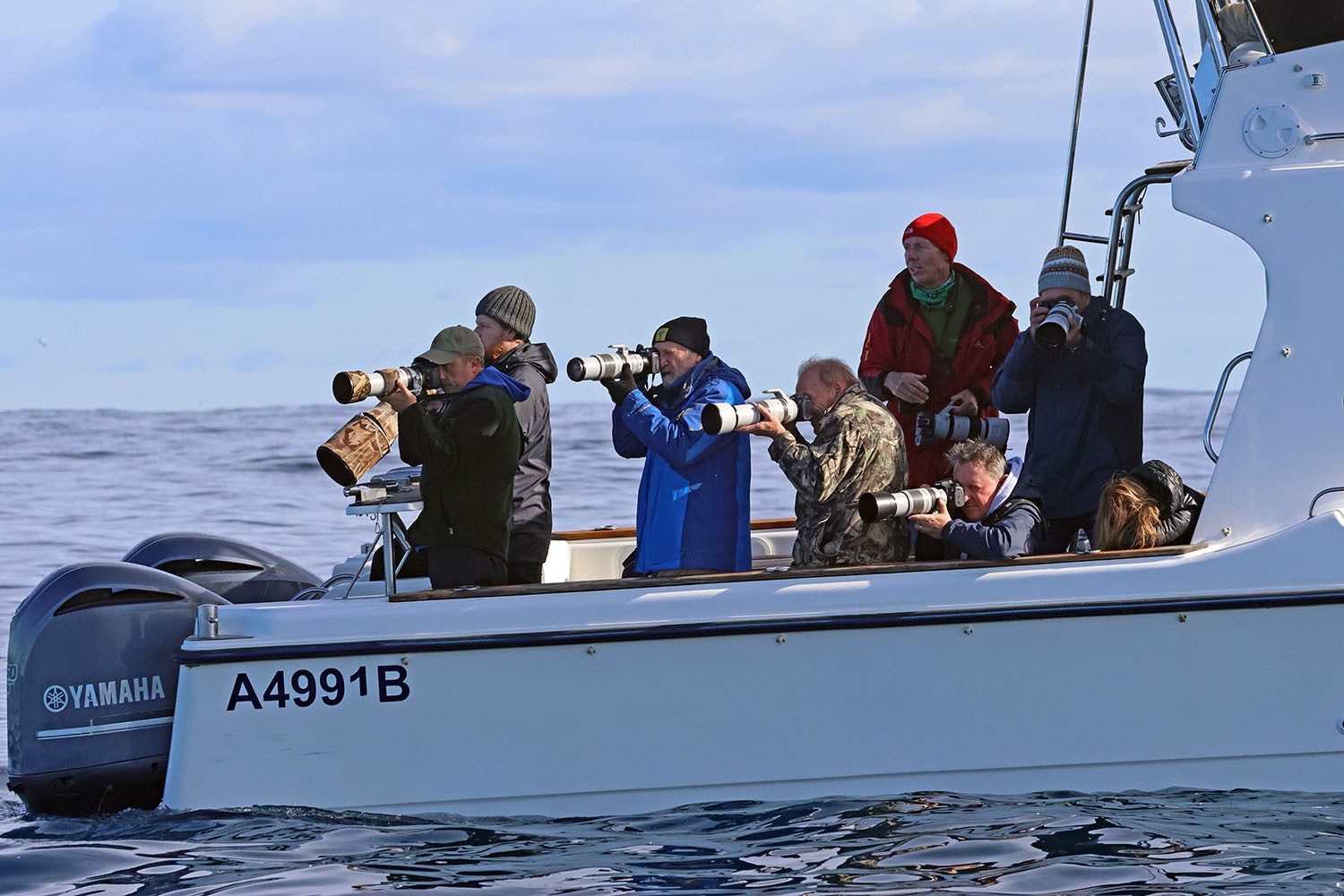
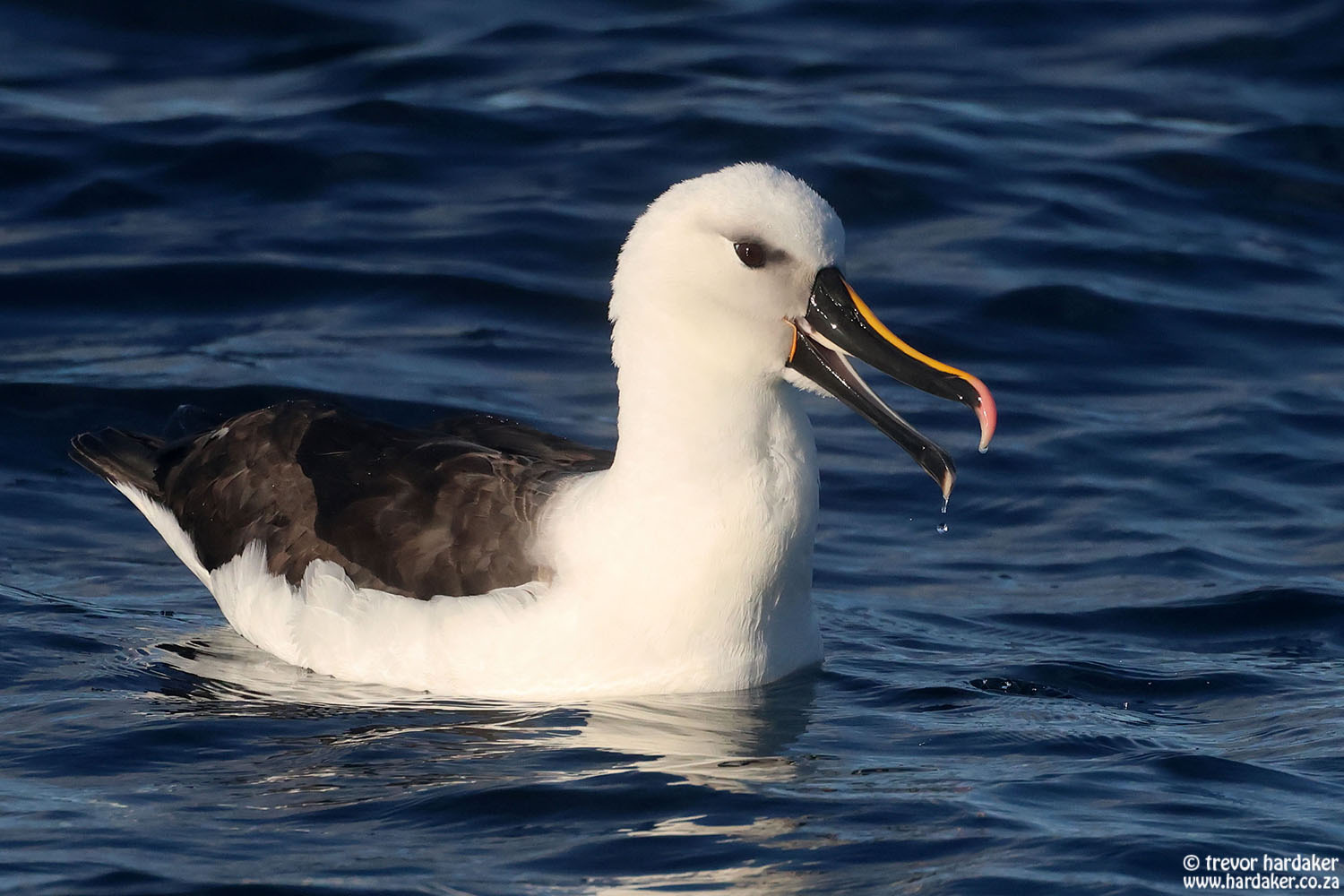
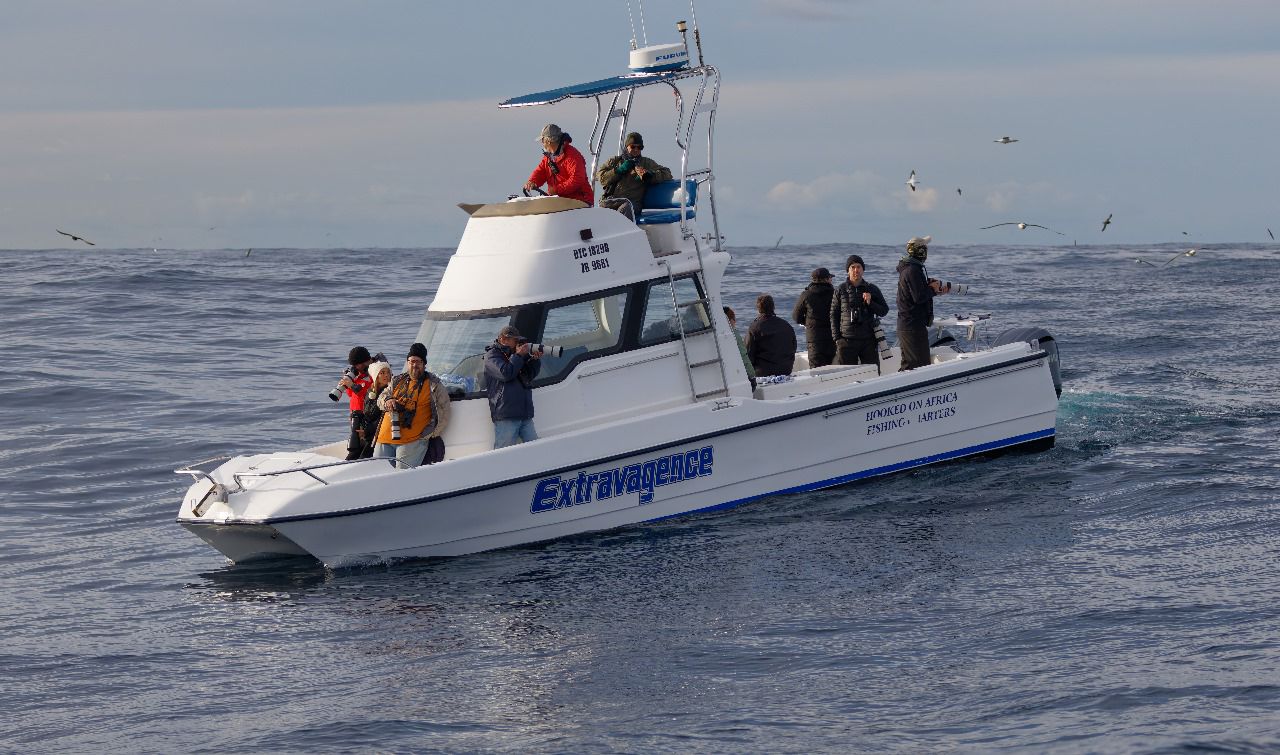

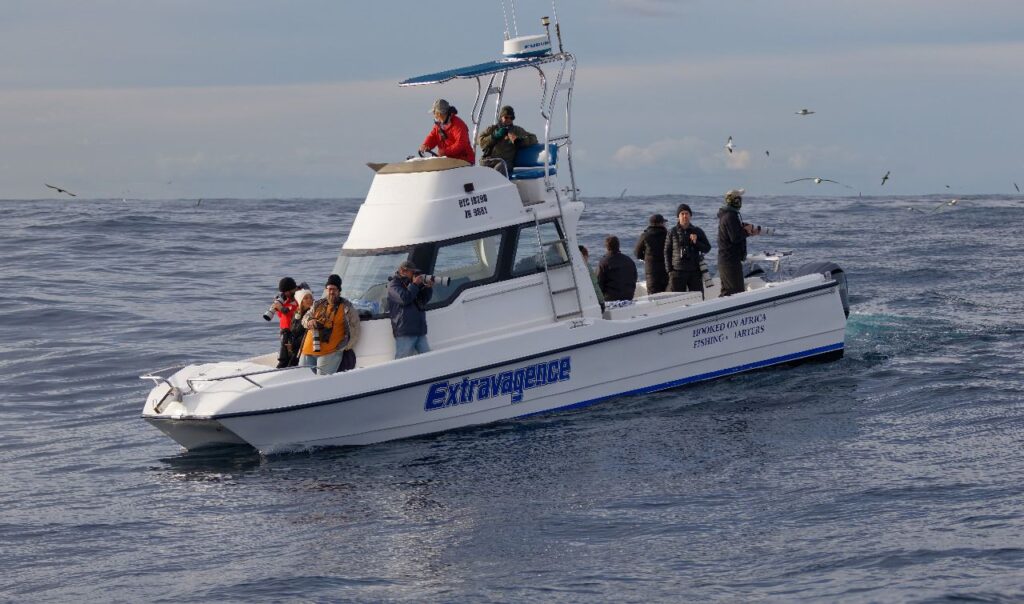
Cape Town sits at the meeting point of two ocean currents and the edge of the continental shelf — which is exactly why it’s ranked among the best pelagic birding destinations on earth. On our pelagic birding tours, you’ll head out from Hout Bay into deep, nutrient-rich water where albatrosses, petrels and shearwaters gather in numbers you simply won’t see from land.
We run these trips on the same boats and with the same experienced offshore crew we use for our deep sea fishing charters, so you’re on the water with people who navigate this exact stretch of ocean every week — not a once-off outing. Whether you’re a lifer-chasing twitcher or just curious what a pelagic trip actually involves, this page covers everything you need to book your seat.
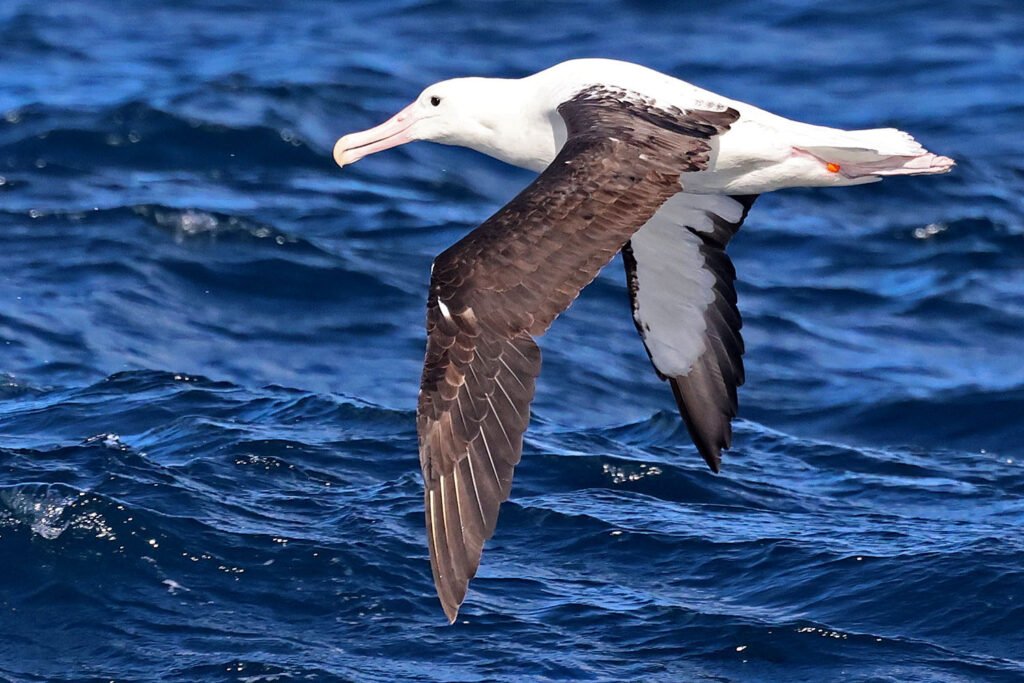
What Is a Pelagic Birding Trip?
“Pelagic” simply means “of the open sea” — so a pelagic birding trip is a boat trip taken specifically to see seabird species that spend almost their entire lives far offshore and rarely, if ever, come within sight of the coastline. Unlike a normal boat cruise, a pelagic trip heads out past the continental shelf edge, where upwellings bring food to the surface and attract birds that most land-based birders will never encounter. It’s the only realistic way to see species like albatrosses and true petrels in South Africa.
Why Cape Town Is a World-Class Pelagic Birding Destination
Few places on the planet put you this close to this many albatross and petrel species in a single day. Cape Town’s position at the tip of Africa, combined with the cold Benguela current and the nearby continental shelf edge, concentrates an extraordinary diversity of pelagic seabirds within a few hours’ boat ride of the harbour.
Birders travel to Cape Town from all over the world specifically for this — it regularly out-performs pelagic tours run out of Australia, the UK and the US Atlantic coast for sheer number of albatross species seen in a single outing.
Why Book Your Pelagic Trip With an Offshore Fishing Charter
Most pelagic birding operators in Cape Town run birding as their only product. We come at it from the other direction – we’re an established deep sea fishing charter first, which means our boats, skippers and crew already spend their working lives running long offshore routes into exactly the kind of deep water where pelagic seabirds feed.
That’s a genuinely different kind of experience: a crew used to reading sea and weather conditions daily, boats built and maintained for extended offshore runs, and none of the guesswork of a trip put together specifically and only for one outing.
Seabirds You Can Expect to See
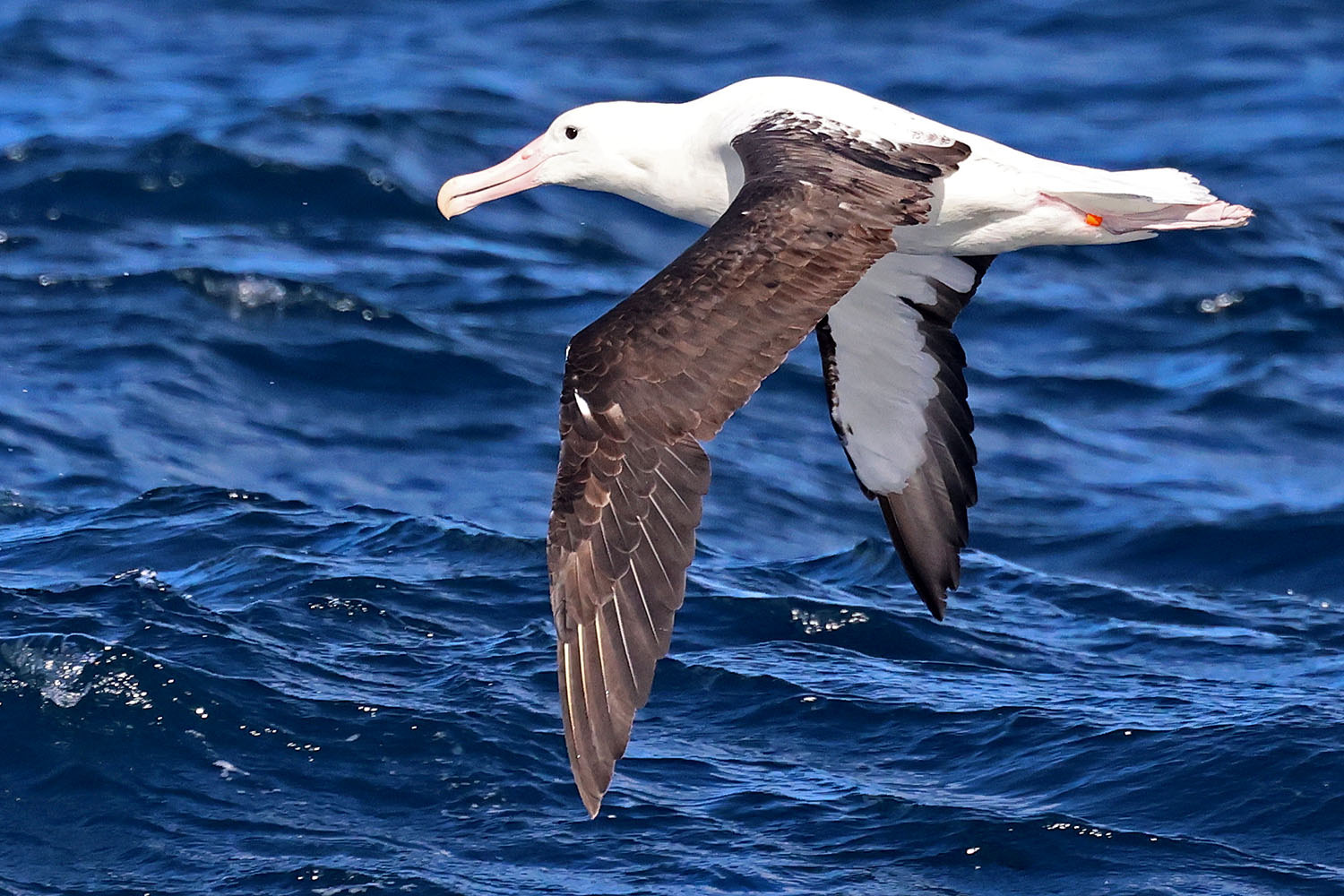
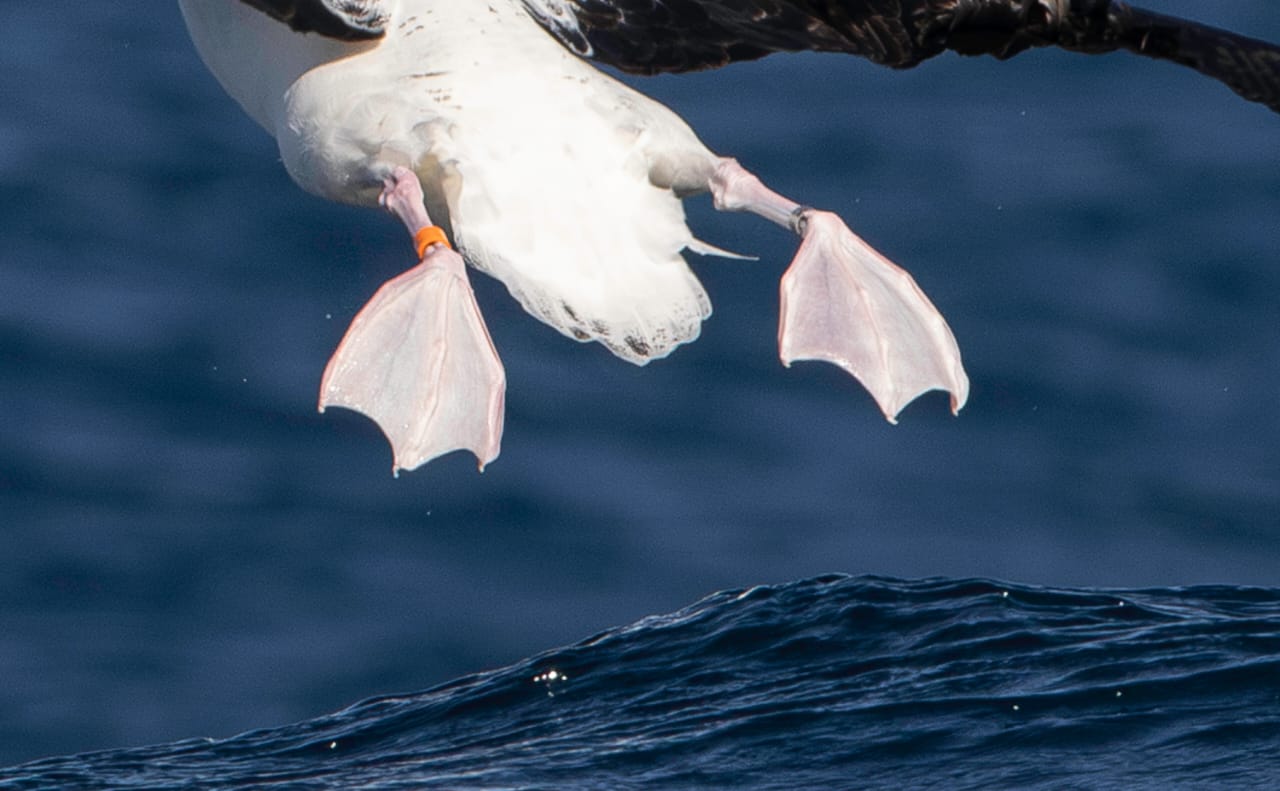
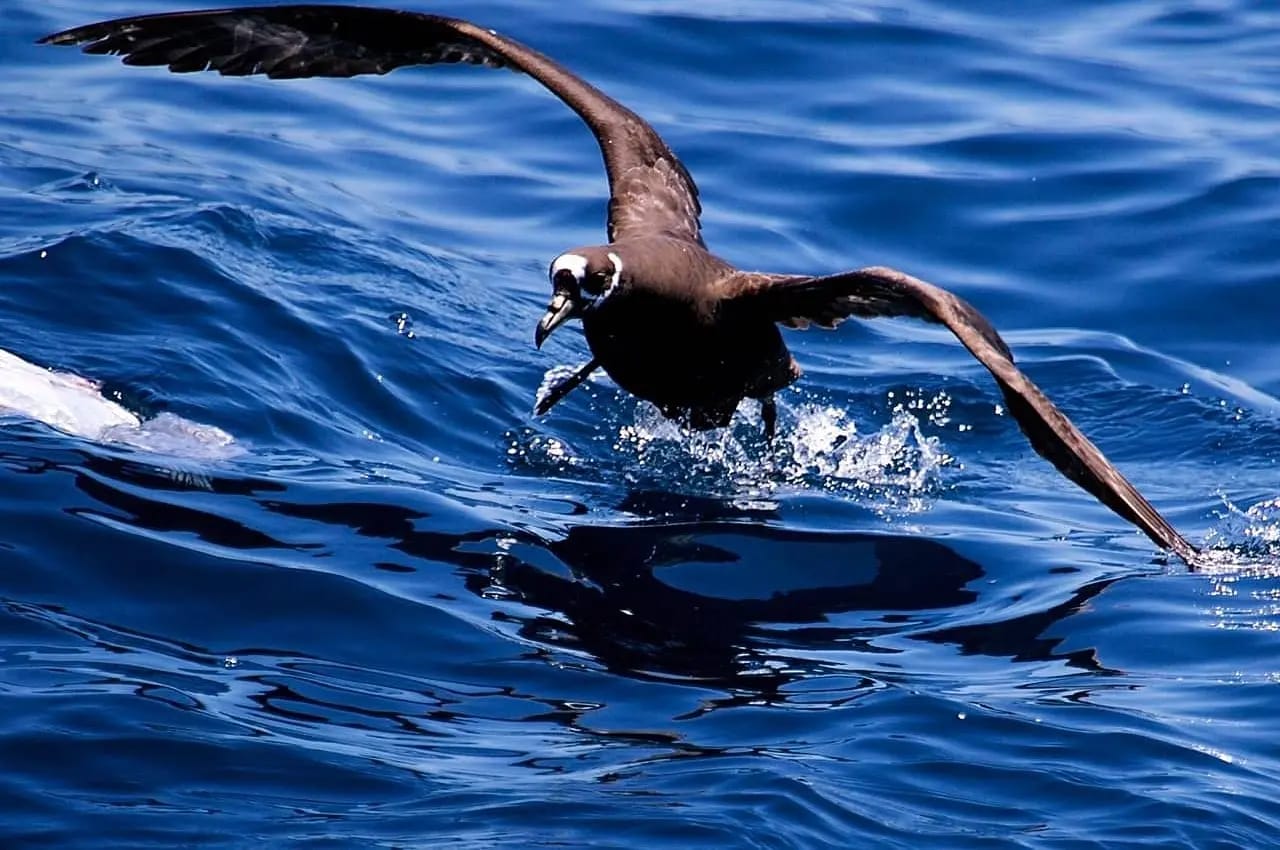
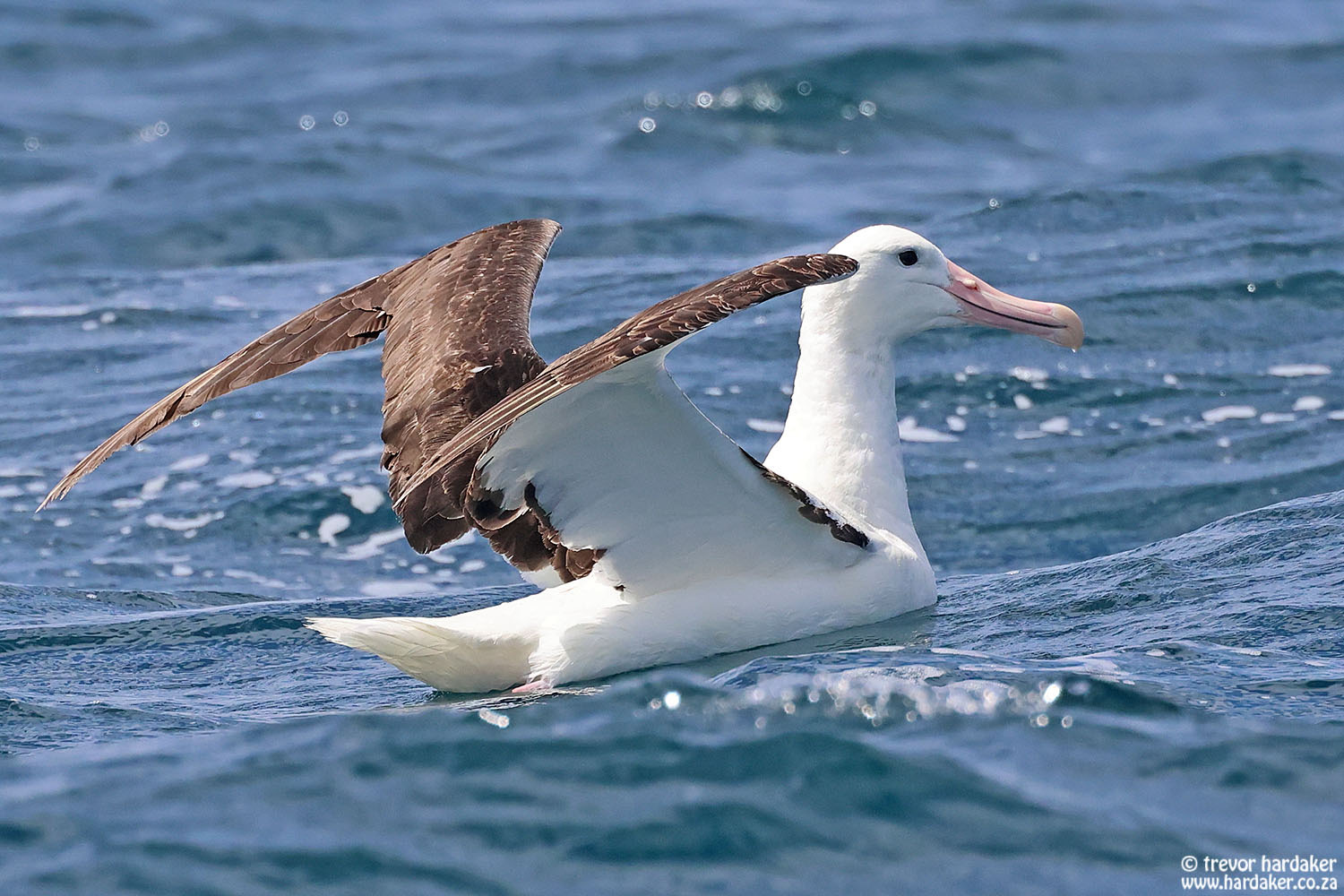
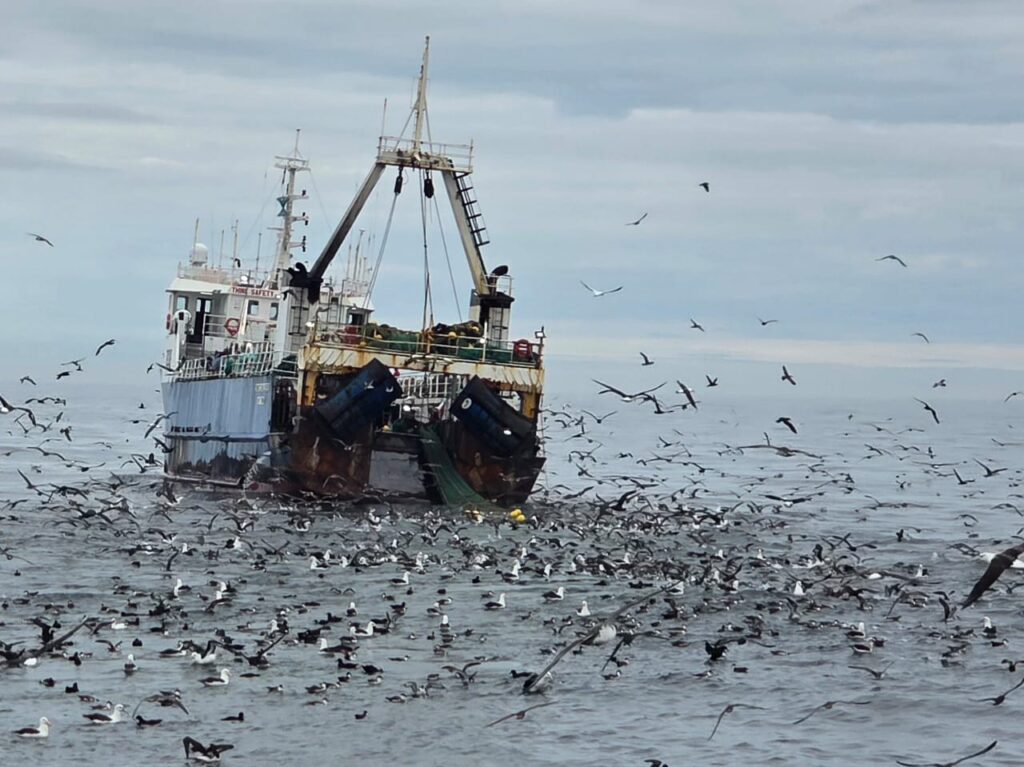
Sightings vary by season and conditions, but a typical Cape Town pelagic birding trip regularly turns up:

Best Time of Year for Pelagic Trips from Cape Town
Pelagic birding trips run out of Cape Town year-round, but the mix of species shifts with the seasons – winter months typically bring the highest diversity and numbers of albatrosses, while summer trips can turn up different shearwater and storm-petrel activity. Trips are subject to weather conditions.
Pelagic Birding Tour Prices
Our pelagic birding tour costs
From R30,000 per charter
Get in touch for current availability and group rates.
Recent Pelagic Birding Trip Reports

WWF-SASSI Seafood Colour Guide
WWF-SASSI Seafood Guide: Making Sustainable Seafood Choices in the Western Cape If you eat seafood, buy fish for the braai, order calamari at a restaurant or spend weekends fishing along the Western Cape coast, there [...]

Crayfishing Season Dates – West Coast Rock Lobster Season 2025 – 2026
Crayfishing Season 2025 - 2026 Cape Town Enjoy a day out Crayfishing with us. Depart Hout Bay by boat and arrive at Cape Point. We fish legally with permits for crayfish nets off the [...]

Recent fishing in 2025 with Hooked On Africa.
We've been fishing for tuna with the Tuna Season open however it is the windy season so some days we cannot fish. Get your dates booked and find out when the good fishing days [...]
Book Your Cape Town Pelagic Birding Tour
Ready to see albatrosses and petrels up close? Trips are weather-dependent and seats are limited, so we recommend booking ahead of your preferred date. Contact us to find out more about our charter schedule .
Frequently Asked Questions
April and May are the standout months. This is when yellowfin tuna run largest and the sea tends to be at its calmest for the whole year, which makes for an easier ride out and back. Longfin tuna and snoek are usually around too, so it’s rarely a wasted trip even if the yellowfin aren’t biting that day.
If April and May don’t fit your schedule, aim for October to December instead. The water is warmer and the weather more forgiving, though the tuna you catch will typically run smaller on average than the autumn fish.
Tuna fishing generally spans October through June, but it isn’t one continuous season. It breaks into two runs: an early window from October to January, and a second from March through June. Between those two runs, activity tends to drop off, so it’s worth timing a trip to land inside one of them rather than the gap.
The core snoek run sits between May and August. Some years it starts earlier or runs longer, stretching from September right through to January, depending on how the bait shoals move and what the water temperature is doing. It’s one of the more variable seasons on this coast, so local reports closer to your trip date are worth checking.
Pelagic fishing charters in Cape Town take you out of the harbour and into the open ocean – past the shelter of the coastline, beyond Cape Point, into deep blue water where yellowfin tuna, longfin, dorado and mako sharks hunt in the top layer of the sea.
“Pelagic” simply means the open water column itself, away from the shore and above the seabed, so a pelagic charter is not a trip to a reef or a wreck; it is a hunt across open water for fast, powerful fish that could be anywhere in it.
Cape Town happens to be one of the best places on earth to do this, because the nutrient-rich Benguela system and the deep water sitting close to the Cape Peninsula put world-class pelagic fishing grounds within a morning’s run of Hout Bay Harbour.
Yellowtail are around all year, but where you find them changes with the seasons. In summer, from November to April, the action concentrates around Cape Point and into False Bay. Once winter sets in, the fish tend to move further north, and Robben Island and Dassen Island become the better bet.
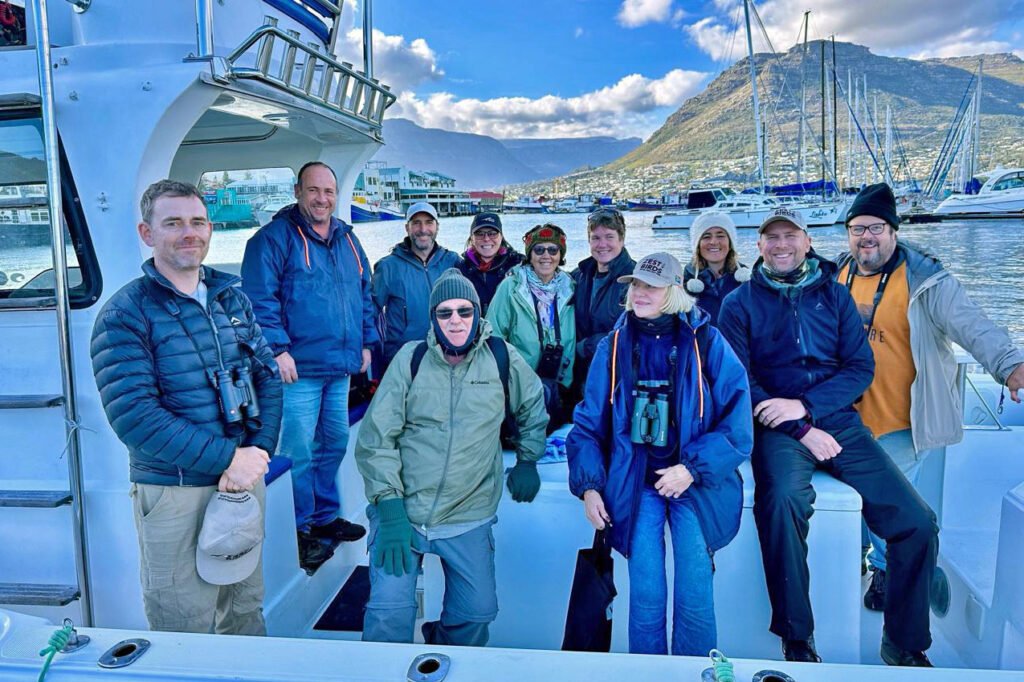
A fishing charter with experienced offshore crew is well suited to running pelagic birding trips — the boats and skippers already handle the same deep-water routes, sea conditions and safety requirements. The main difference is having a birding guide aboard to help with species identification, which we have. Our skipper as well as professional birding guides run the charter all whom have extensive birding knowledge.
A normal sightseeing or fishing charter stays relatively close to shore. A pelagic tour is purpose-built to reach the continental shelf edge, far beyond where standard charters go, because that’s where the deep-sea upwellings concentrate the seabird species that never come near the coast.
Binoculars, a camera with a zoom lens if you have one, sunscreen and a hat, a warm windproof jacket (it’s noticeably colder on open water), and seasickness tablets if needed. A selection of food, snacks & drinks are provided.
Yes – no prior birding experience is needed, and our guides help identify species as they appear. Because the trip covers open ocean swell, we recommend taking a seasickness remedy the night before and morning of your trip if you’re at all prone to motion sickness, and dressing in warm, windproof layers.
Expect a mix of albatrosses (Shy, Black-browed, Atlantic Yellow-nosed), petrels (White-chinned, Pintado/Cape, Great-winged), shearwaters (Sooty, Cory’s), Wilson’s Storm-Petrel, skuas and Cape Gannet, among others. Exact sightings depend on the day, season and sea conditions.
Cape Town pelagic trips run somewhere between 5 and 9 hours, since reaching the shelf edge and back takes time. It is also subject to weather conditions and the location of birds.
Pelagic charter prices depend on number of people on board. A charter is charged as a boat fee per boat and is subject to the ever changing fuel prices. Contact us for current pelagic trip costs.
Our pelagic birding trips depart from Hout Bay harbour, Cape Town.
In South Africa, a pelagic trip usually refers to a chartered boat trip departing from a Cape Town harbour out to the edge of the continental shelf, where the cold Benguela current and shelf-edge upwellings attract one of the highest concentrations of albatross and petrel species found anywhere in the world.
“Pelagic” is a term describing anything that lives in the open ocean, away from the coastline or seabed – as opposed to “coastal” or “benthic” (seafloor-dwelling) species. In birding, a “pelagic species” is a seabird that spends almost its entire life at sea, only coming to land to breed.
A pelagic trip is a boat trip taken specifically to see seabirds — like albatrosses, petrels and shearwaters — that live far out at sea and don’t normally come close to shore. Rather than a sightseeing cruise, the boat heads out past the continental shelf edge specifically to reach the water these species live in.
Yes, though the trips look different from summer. Offshore tuna runs mostly stop, so winter fishing shifts to inshore targets like snoek and yellowtail. July and August are the two toughest months for getting out at all, since they see fewer fishable days than any other point in the year due to weather.
Most charters head somewhere between 20 and 50 nautical miles off Cape Point to find the tuna grounds. By the time you factor in the trip out and back, that adds up to a round-trip distance of 80 to 120 nautical miles. It’s a full day on the water, so charters usually leave early and plan around it.
Enquire
Tell us about your trip
Send us your date, group size and the kind of trip you have in mind. We match you with a licensed operator and send you the options.